

Good morning everyone.
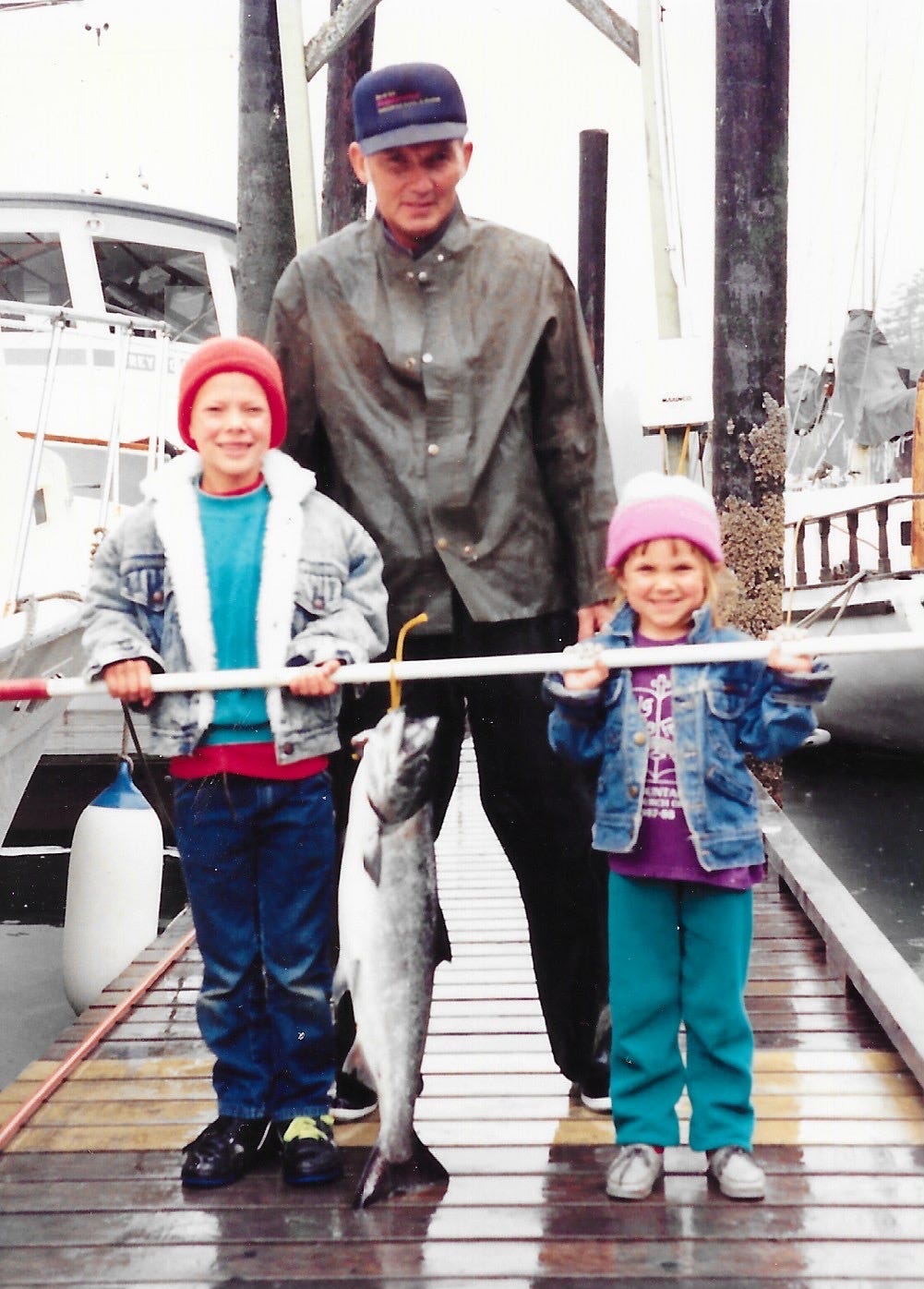
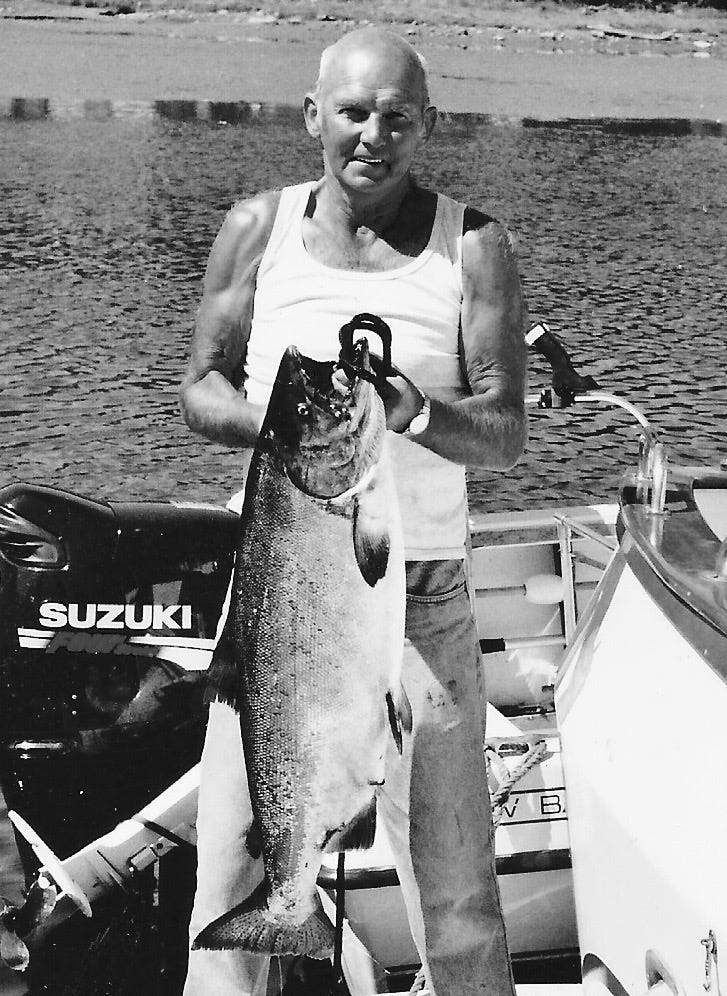
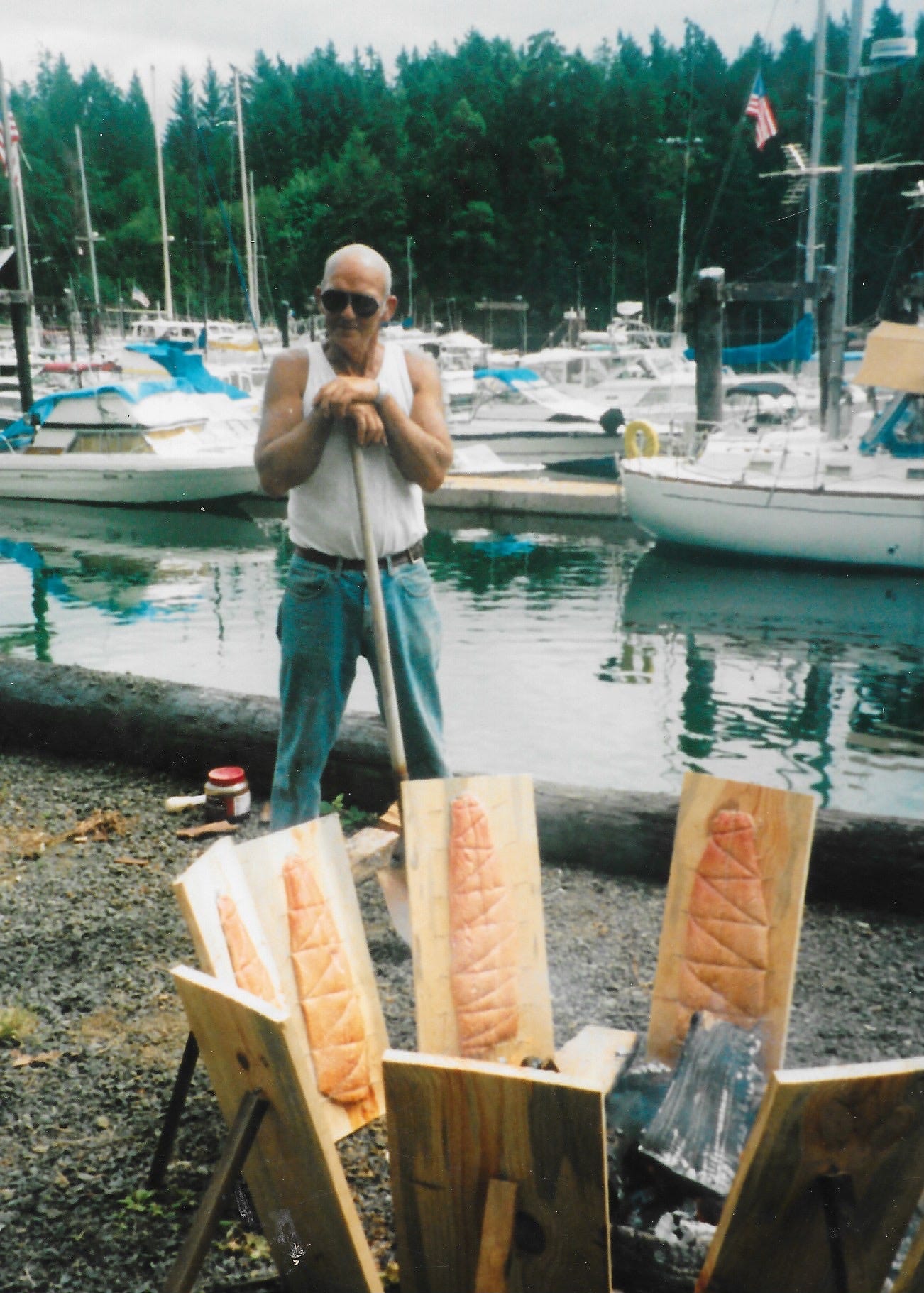
An indelible childhood memory I have is the smell of wild-caught salmon smoking on a cedar plank at my grandparents’ marina on Hood Canal. My grandpa would spend weeks yachting to Alaska, navigating through the San Juan Islands alongside the orcas, before returning with a plethora of sockeye salmon to feed his plethora of grandchildren.
I grew up loving the buttery, flaky taste of salmon. But when I began to run on butter, I grew uneasy about eating too much seafood as I learned how the Industrial Revolution had polluted our oceans, causing mercury levels in marine environments to rise as much as threefold. Heavy metals are no joke because the body doesn’t really shed them. They just accumulate. And heavy metal toxicity is biologically burdensome. Life-draining.
Then there’s the whole micro- and nanoplastics situation, with hundreds of trillions of plastic particles now floating around our oceans, many of which end up in our seafood.
It’s all rather sad. The way we have failed to properly steward the oceans. I’m all for capitalism and industry and everything, but the lack of regulation has compromised aquatic life, which, in turn, threatens our health.
One thing I did not forecast for my life was becoming passionate about the health of our oceans. Yet here I am, out on these mean streets with my bullhorn, being a voice for the orcas. #SaveTheWhales.
It is upsetting that we’ve compromised one of the most nutrient-dense classes of food in the name of modernity. So for a good while there, I ate fish sparingly. Cooking salmon for its taste, but thinking: This is a plate of microplastics.
That’s until I discovered Seatopia—a seafood company that works with aquaculture farms around the world to curate some of the best, cleanest seafood on the market.
I first heard about Seatopia at Ama, the healthiest and probably only microplastic-free restaurant in America. Seeing that Ama used Seatopia, I knew it had to be legit.
So I went on a deep dive into the company. They work with aquaculture farms that raise fish regeneratively, stewarding the environments in which they’re raised for optimal health for both the fish and the ecosystem. It’s regenerative farming taken to the sea.
Until last year, I thought wild-caught was always better. But I was wrong in some regards. I will never eat conventionally farm-raised fish. The New York Times actually just ran a great piece about how gnarly conventional fish farming is. It’s akin to cattle raised in tiny feedlots or chickens that never see the light of day before they’re butchered.
But when fish farming—a practice that’s been around for thousands of years—is done well, farm-raised fish can actually be healthier than their wild-caught counterparts.
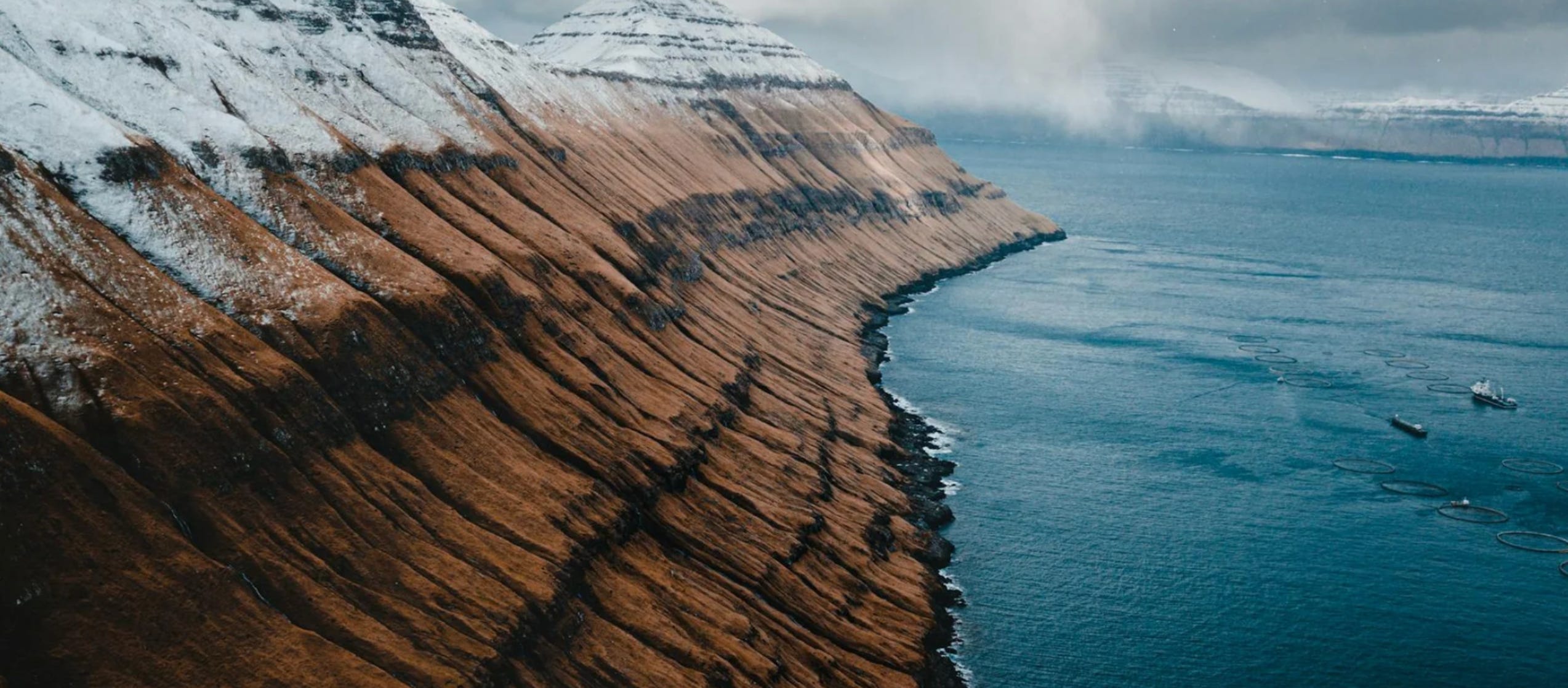
Take, for example, the salmon raised by Bakkafrost, Seatopia’s salmon supplier, in the waters surrounding the Faroe Islands:
Seafood is objectively one of the healthiest foods we can eat, which is why I was so depressed about having to limit my consumption before Seatopia entered my life. The omega-3s. The vitamin D and B12. The selenium. Seatopia’s fish are loaded with these nutrients (they detail the lab-tested nutrient profiles on their website).
As Dr. Axe told us last week, salmon, in particular, offers remarkable benefits:
“The omega-3s EPA and DHA, which become part of your cell membranes and help your cells communicate. They also contain astaxanthin which protects your cells from oxidative stress. They’re also the raw material your body uses to make compounds that actively resolve inflammation instead of just quieting it. Aim for two servings this week.”
Alexandra and I have been heeding Dr. Axe’s advice, cooking salmon twice a week. We’re also excited to cook up Seatopia’s branzino and try the salmon roe we have in our fridge—another food loaded with nutrients.
Seatopia works much like any other online meat company, delivering frozen seafood directly to your doorstep. And good news for you, my dear reader: Running On Butter is now officially a partner with Seatopia, meaning that if you use code “BUTTER” at checkout, you’ll get $20 off your order.
I recommend starting with some salmon fillets. You can use Alexandra’s recipe below, which I know my grandpa Leon would have loved.
Still liking my Alaskan wild caught salmon and I buy every year right off the boat.
Let’s eat!