

Good morning everyone.
I hope you all are enjoying the summer’s bounty of fresh fruit. Yesterday I ate part of a watermelon, a nectarine, and some blueberries. Do not miss out on this summertime glory. Before you know it, it’ll be January and you’ll be sad and depressed, dreaming of the days when nectarines were must-be-eaten-over-the-kitchen-sink juicy.
Today’s letter includes:
Avocado oil is fraudulent and why ROB cannot endorse it
Erythritol’s shady entry into the market via the GRAS loophole—and its concerning effects on health.
Round-Up exposure causes pre-term births
Alpha-gal solution
The drink of the summer
“Put a slot in your next Substack about avocado oil being fake healthy. Please.” This is a text I received last week from one of ROB’s medical advisors. I was already on that same train of thought.
I first did a deep dive into avocado oil—how it’s made, when it was first used—back in 2019, when I became radicalized about seed oils at the hand of Dr. Cate Shanahan’s Deep Nutrition.
Dr. Cate reinforces a simple, intuitive concept: the fats that have been around forever (butter, tallow, ghee, olive oil, coconut oil) were great for you, while the new fats made by way of the Industrial Revolution (seed oils) were to be avoided.
Avocado oil has never fit neatly into this binary. It’s a 21st-century oil, but its fatty acid profile was supposedly akin to olive oil: made up primarily of monounsaturated fatty acids rather than polyunsaturated fatty acids—the type found primarily in seed oils and that are prone to oxidation.
I could never really accept that it was akin to butter and olive oil, as most of the health world did. Dr. Cate’s test of antiquity—and whether or not you could make it yourself in your kitchen—stood unassailable in my mind. Because of that, ROB has never formally promoted or endorsed avocado oil. (I may have given an apprehensive “it’s fine” to some of you at one point or another when you’ve asked if it was okay, but I’ve never said: yes, eat or cook with avocado oil.)
I honestly didn’t have it in me to say: don’t eat avocado oil! Because I know a lot of you are out here just trying your best. But now, after a stunning new study, I’ll say it: don’t eat avocado oil.
Researchers from UC Davis recently gathered 54 popular avocado oil-labeled snacks. Think: Kettle and Siete chips, Chosen Foods mayonnaise, and Primal Kitchen salad dressing.
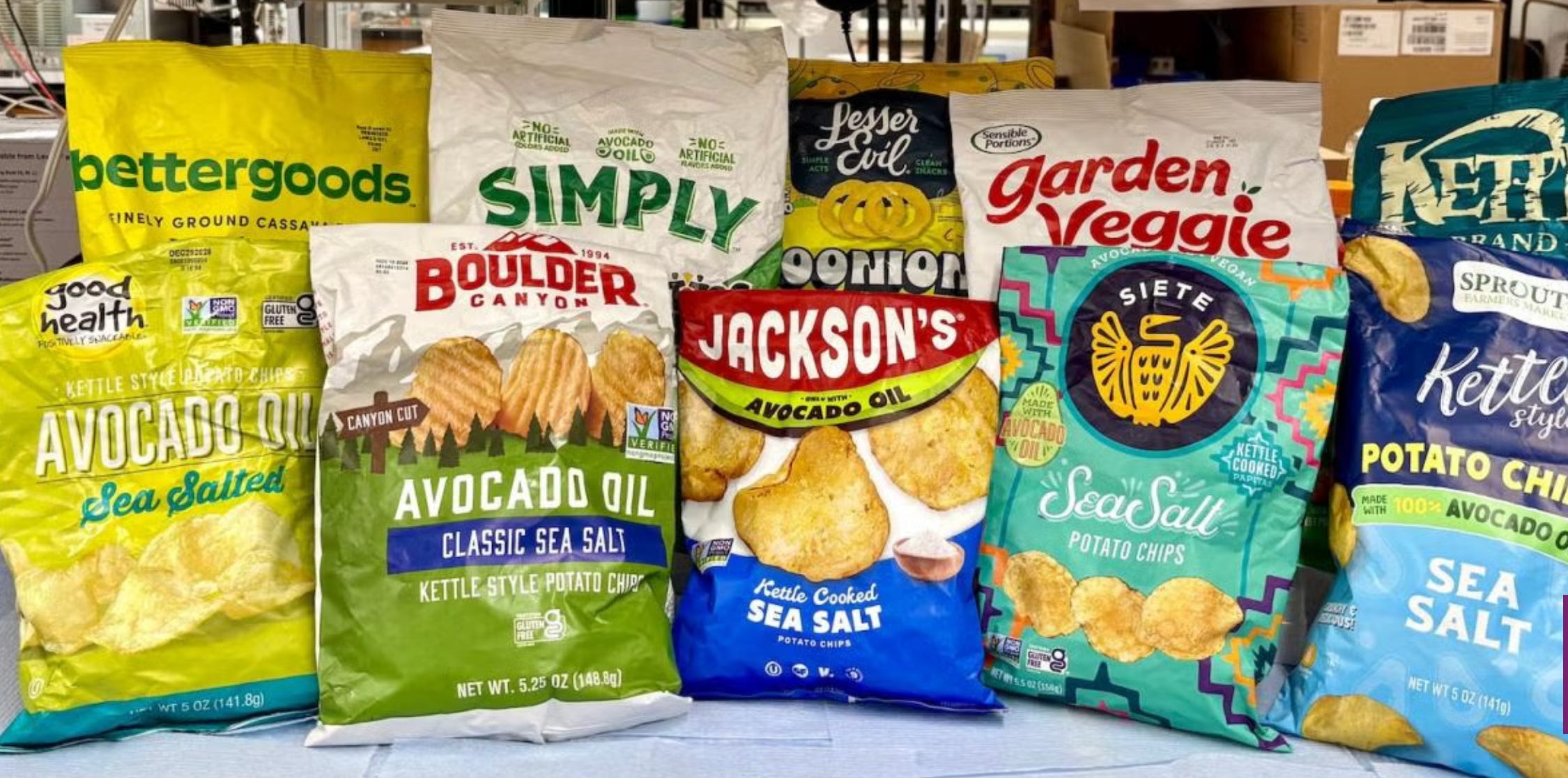
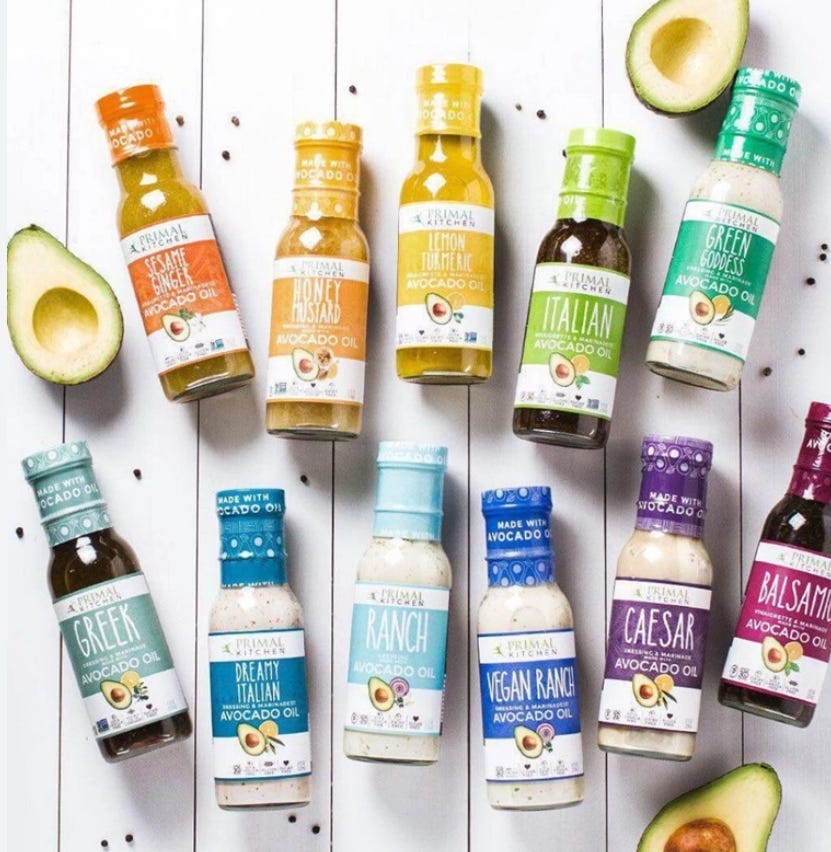
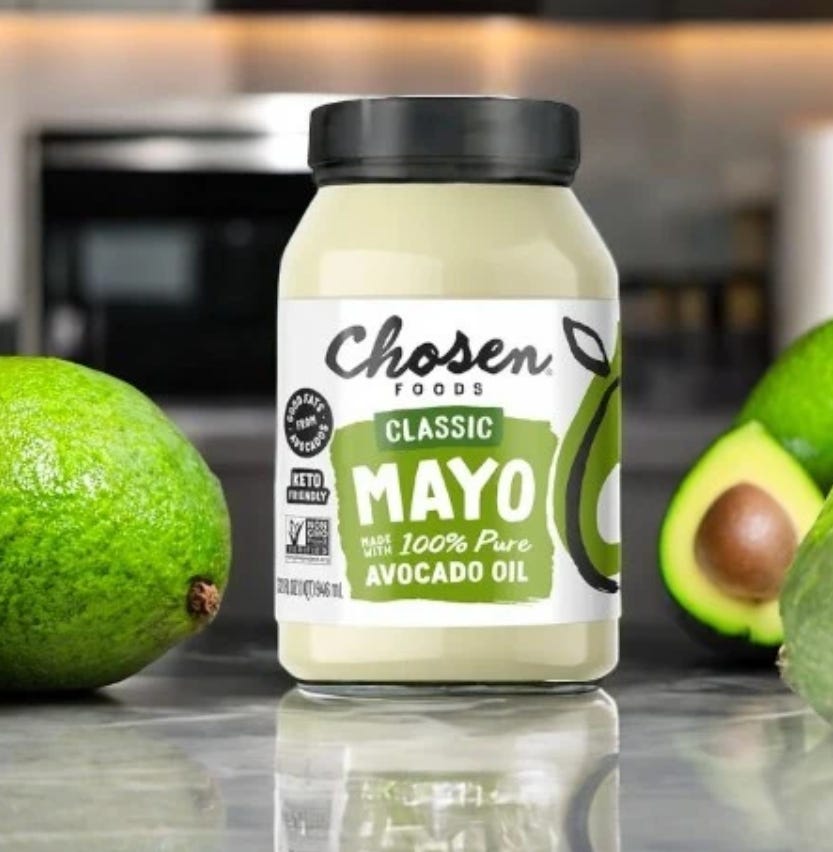
They found that 48 of the 54 avocado oil-labeled foods were not made with pure avocado oil, but adulterated with seed oils. 😱😱😱
Of the products tested, 93% of chips, 71% of mayonnaises, and 100% of salad dressings labeled as containing authentic avocado oil contained other oils. By contrast, when researchers applied the same purity tests to 20 olive oil-labeled processed foods, only one failed.
From the UC Davis research team:
The gap between avocado and olive oil results reflects the fact that olive oil authenticity has been studied, tested and scrutinized for decades. Avocado oil is a relatively new and expensive product category and has not been monitored at the same level. As a result, consumers have less protection against misleading labels.
The lead researcher, Dr. Selina Wang, noted that many food companies source their “avocado” oil from third-party sellers, oftentimes using multiple suppliers.
“If consumers are buying potato chips that say they’re made with 100% avocado oil, that should be the product that they’re getting,” Wang said. “I don’t think there is enough accountability throughout the supply chain. Suppliers of adulterated oil may be hiding behind a couple of layers of supply chain, making it difficult to identify where the problem originated.”
Last year at this time I noticed just how omnipresent avocado oil was. Knowing it was first produced in 2006, I had a hunch that there was virtually no way that a brand new oil—one that requires a key, already hard-to-grow and come by ingredient like avocados—was suddenly available to everyone. The math wasn’t mathing. I even reached out to Chosen Foods multiple times to ask how they sourced their avocado oil, and they never got back to me. Flash forward to this summer, and turns out that thought I had was true: there’s simply not enough avocado oil in the world for it to suddenly be used in every chip, cracker, and salad dressing and mayonnaise. The UC Davis study affirmed this.
Now, it’s fair to point out that this study isn’t saying that avocado oil is bad. It’s saying that most avocado oil isn’t actually avocado oil.
But it’s ROB’s opinion that avocado oil—even if it is pure avocado oil—doesn’t have a place in the kitchen. It fails the antiquity test, and therefore, it is unqualified. Call me an oil snob, but I genuinely don’t need avocado oil.
Any roasted veggie tastes better with butter, ghee, or olive oil (I even like coconut oil on my sweet potatoes, but I know you guys will come for me in the comments, so I won’t recommend that).
As for salad dressings: I know there are some of you out there who make homemade dressings (lovely) with avocado oil (horrendous). Salad dressings are the PERFECT opportunity to soak up the loaded polyphenols that come with a high-quality olive oil. I use McEvoy Ranch olive oil. As for mayo? Make it homemade with olive oil. So easy, and actually quite nutritious if you use high-quality ingredients.
RFK Jr. ends the GRAS loophole: The FDA introduced a new rule that would end the decades-long GRAS loophole. GRAS stands for “generally recognized as safe,” an undefined standard created by…the food companies themselves(!), allowing them to introduce new ingredients/chemicals with little to no pushback from the FDA. There are hundreds of ingredients that Americans are now consuming that have slid into the food supply this way.
Here’s an example: In 2001, Cerestar Holding Company filed for erythritol, a sugar alcohol made from corn starch, to be GRAS. The company said it would be used for anything that sugar was used for: pastries, yogurt, candy, and beverages, submitting to the FDA that it was safe based on “scientific procedures.” The FDA responded with no comment, and boom—erythritol is introduced to the U.S. population and is now ubiquitous throughout the supermarket.
It’s thought of as “sugar-free,” “keto,” “healthy” sweetener. Yet, it’s made in a lab from glyphosate-ladened corn. And now, what we do know now is that sugar alcohols like erythritol cause dysbiosis in the gut, and possibly heart complications.
Now, the FDA is seeking to close the GRAS loophole. If food companies want to introduce new chemicals into the food system, their approval will be contingent on science that they themselves did not conduct. This is a giant win for American consumers.
A new study linked RoundUp exposure (glyphosate) to preterm births. “Our findings add to a growing body of evidence that exposure to glyphosate early in life may lead to health concerns that can echo throughout a lifetime.”
Aaron Rodgers called Dr. Fauci an “absolute coward.” Celebs can say what they want to say, but I honestly love it when they just do their thing—throw footballs, sing songs, and act in movies. I don’t care to hear their thoughts on politics, even if they’re aligned with mine sometimes.
The drink of the summer is not matcha, and it’s not the Hailey Bieber smoothie. It’s water. Specifically, Loonen water. It’s allegedly microplastic-free, and Alexandra is a big fan.
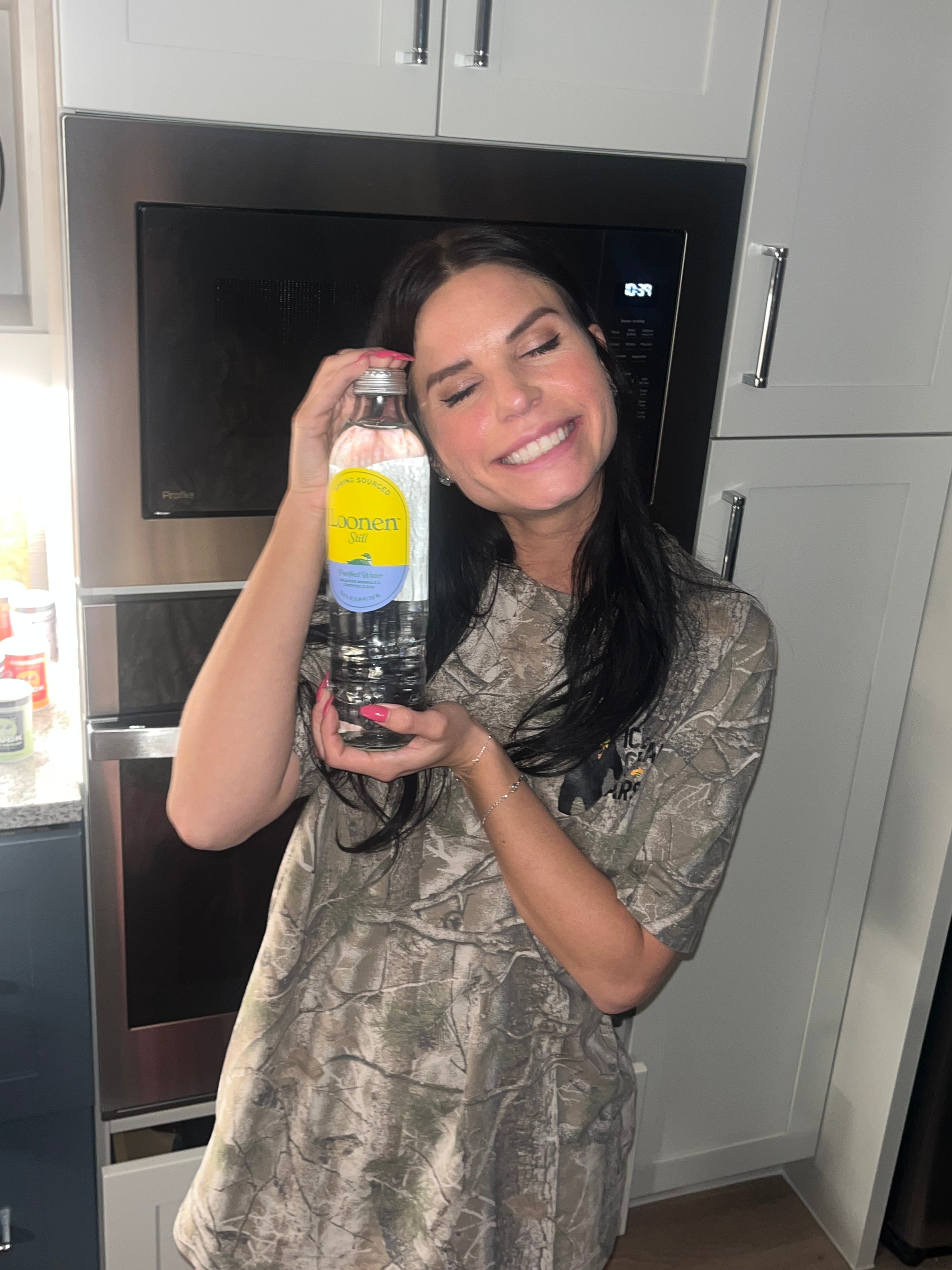
Speaking of Queen Alexandra: check out her new podcast covering Alpha-gal syndrome. I know some of you have been asking for a good resource on it, and now we have one. Thanks, babe!
And speaking of Alpha-gal: people are avoiding Martha’s Vineyard this summer, as the island is a hot spot for the lone star ticks that transmit the disease.
Really looking forward to what unfolds here. Seems exciting!
I knew it. It just seemed too good to be true. The fact is chips are not healthful.
I’m really glad I subscribe to this channel.